Know Your Customer (KYC) identity verification is a standard regulatory requirement enforced across legitimate digital casino platforms, financial institutions, and electronic payment gateways worldwide. In the Philippines, KYC procedures serve as the primary legal safeguard to prevent underage gambling, combat financial identity fraud, comply with anti-money laundering (AML) legislation, and guarantee that real-money winnings are transferred exclusively to the rightful account owner.
While some new players view document verification as an inconvenient hurdle, completing your KYC verification early is the single most effective way to prevent cashier delays when you request your first cashout via GCash or Maya. This guide explains the legal basis of KYC, catalogs acceptable Philippine government identification documents, provides practical photographic instructions, and explains data privacy protections under Philippine law.
The Legal and Regulatory Basis of KYC in the Philippines
Identity verification in the digital gaming sector is not an arbitrary operator policy; it is mandated under comprehensive statutory frameworks:
| Legal Authority | Statutory Mandate | Direct Impact on Player Verification |
|---|---|---|
| Republic Act No. 9160 (AMLA) | Anti-Money Laundering Act of the Philippines | Mandates financial institutions and gaming operators to establish verified customer identities |
| PAGCOR Regulatory Directives | Enforces mandatory 21+ age verification across all electronic gaming operations | Prohibits minors from gambling and requires operators to verify legal age before approving cashouts |
| Republic Act No. 10173 (DPA) | Data Privacy Act of 2012 | Governs the lawful collection, encrypted storage, and deletion of personal identification data |
| Bangko Sentral ng Pilipinas Guidelines | Consumer Protection & Customer Due Diligence | Enforces alignment between gaming profile names and receiving e-wallet accounts |
Directory of Acceptable Philippine Government Identification
To successfully verify your gaming profile, you must provide clear, uncropped color photographs of an unexpired, official government-issued photo identification card. Acceptable documents are categorized below:
Primary Identification Documents (Highest Acceptance Rate)
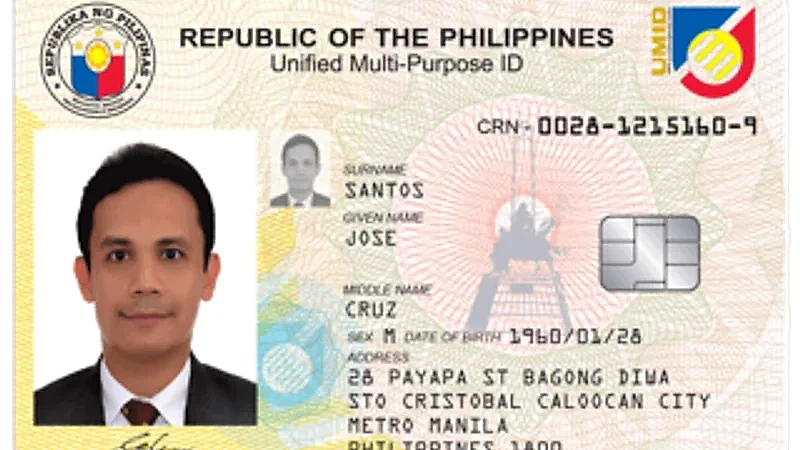
* Philippine National ID (PhilID / ePhilID): The standardized national identification card issued by the Philippine Statistics Authority (PSA). Both physical polycarbonate cards and verified printed ePhilIDs are widely accepted. * Land Transportation Office (LTO) Driver License: Valid official driver license card displaying your photograph, date of birth, and official card number. * Department of Foreign Affairs (DFA) Passport: Valid Philippine passport showing your biographical details page with full name and date of birth. * Unified Multi-Purpose ID (UMID): Issued by SSS or GSIS, featuring a clear photo, signature, and security chip.Secondary Identification Documents (May Require Supplementary Proof)
* Postal ID (Digitized / Biometric): Issued by PhilPost, showing your address and photograph. * Professional Regulation Commission (PRC) License Card: Issued to registered professionals. * Commission on Elections (COMELEC) Voter ID / Voter Certificate: Official voter credentials.IDs that are generally not accepted include company employee IDs, student school IDs, barangay clearance certificates without photos, and expired identification cards.
Step-by-Step Document Submission Walkthrough
Follow this structured process to submit your verification documents through your member dashboard:
``` +-------------------------------------------------------+
+-------------------------------------------------------+
| 1. Log into Account -> Navigate to Member Center |
|---|
| 2. Select "Identity Verification" or "KYC Audit" |
| 3. Select Government ID Type from Dropdown Menu |
| 4. Upload Clear Color Photo of ID Front & Back |
| 5. Upload Selfie Holding ID Card (If Requested) |
| 6. Submit Dossier -> Verification Complete in 2-24 Hrs |
+-------------------------------------------------------+ ```
Preparing Your Photograph
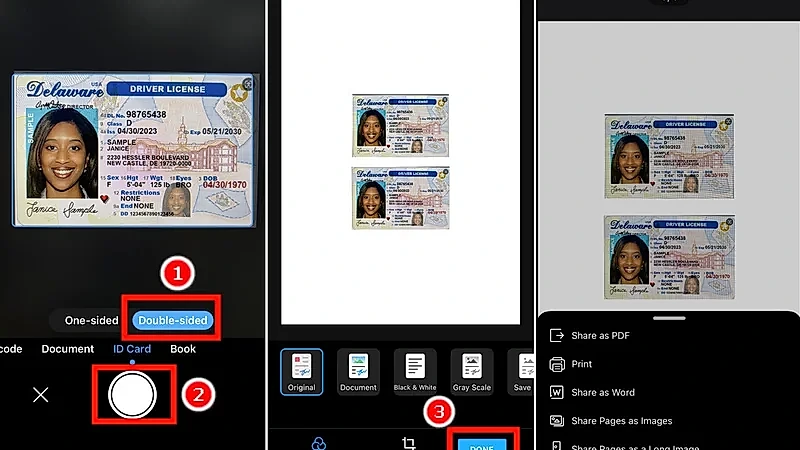
Place your identification card flat on a dark, non-reflective surface in a brightly lit room. Position your phone camera directly above the card to avoid angled distortion. Ensure all four corners of the card are completely visible within the camera frame.Inspecting Visual Clarity
Examine the captured photo before uploading. Verify that your full legal name, date of birth, photo, and ID serial number are sharp, in focus, and completely legible. Turn off camera flash to eliminate glare or white reflection over the text.The "Selfie with ID" Requirement (When Triggered)
For elevated withdrawal limits or secondary security audits, the system may request a selfie of you holding your ID card next to your face. Hold the card steadily beneath your chin without covering your face or blocking any card text with your fingers.Common Reasons for KYC Rejection and How to Avoid Them
| Common Rejection Reason | Root Cause | Preventive Correction |
|---|---|---|
| "Image Blurry or Low Resolution" | Poor lighting or camera autofocus failure | Re-shoot in natural daylight; ensure text is readable when zoomed |
| "Name Mismatch with Profile" | Nickname or shortened name used at registration | Contact customer service to correct profile name to match legal ID exactly |
| "Document Expired" | ID validity date has passed | Submit an alternative active government ID from the primary list |
| "Cropped Edges / Incomplete ID" | Camera frame cut off card corners | Re-shoot showing the entire physical card with a small border around it |
| "Black and White / Scanned Copy" | System requires genuine color photograph | Upload original, unedited full-color smartphone photos only |
Data Privacy and Document Storage Protections
A common concern among players is whether submitting government ID scans exposes them to identity theft. Under the Data Privacy Act of 2012, legitimate platforms must implement strict security controls:
- Cryptographic Storage: Submitted document files are encrypted at rest using AES-256 cipher protocols on secure private storage servers.
- Restricted Staff Access: Identity documents are accessible only to specialized compliance and risk management personnel during verification audits; frontline marketing staff cannot access files.
- Zero Commercial Resale: Under Philippine law, operator entities are strictly prohibited from selling, renting, or distributing player identity documents to third-party marketing companies.
Responsible Gaming and Age Verification
The most vital function of KYC verification is upholding the legal age limit. Under PAGCOR regulations, real-money online gaming is strictly restricted to adult individuals aged 21 years and older.
Any account identified as belonging to an individual under 21 is closed immediately, with all deposited funds and accrued balances forfeited. If gambling is creating financial distress in your household, reach out to Gamblers Anonymous or BeGambleAware for confidential support.
Special Guidelines for Printed Digital ePhilID Cards
Due to physical polycarbonate card production backlogs in the Philippines, millions of citizens possess the paper-format ePhilID issued by the Philippine Statistics Authority (PSA). Compliance departments accept this credential provided specific capture standards are met:
| Document Format | Correct Preparation Technique | Common Rejection Error |
|---|---|---|
| Printed Paper ePhilID | Laminate the printed card or place flat on a dark background; ensure QR code is sharp | Submitting folded, creased, or torn paper printouts |
| Digital PDF / Screenshot | Print the official PDF in color onto high-quality paper before photographing | Uploading low-resolution mobile phone screen captures |
| QR Code Verification | Ensure the unique digital QR code on the back is completely clear of glare | Camera flash washing out the black-and-white QR matrix |
Proof of Residential Address Verification (Secondary KYC Tier)
When requesting exceptionally large cashouts or updating banking credentials, compliance teams may request secondary proof of residence. The following domestic documents are accepted provided they are dated within the last three (3) months:
- Utility Invoices: Electricity bills (Meralco, provincial electric cooperatives), water bills (Maynilad, Manila Water), or residential internet accounts (PLDT, Converge, Globe At Home).
- Bank Account Statements: Official monthly account statements issued by domestic Philippine commercial banks (BDO, BPI, Metrobank, UnionBank) displaying your full name and residential address.
- Postpaid Mobile Statements: Monthly billing statements for Smart or Globe postpaid mobile subscriptions.
Ensure the document clearly shows your full legal name, current residential address, and official billing issue date.